Now that SPIE’s Photonics West 2026 has wrapped up in San Francisco this week, I finally have some time to write what I had originally anticipated as a distributed digest of the 2026 JPMorgan Healthcare Week’s overall and subtle themes concerning the crossover between quantum technology and all things pharma (i.e., biopharma, biotech, biomedical, et cetera). I must admit that I already have a company bias both in the crossover sectors of biotech x quantum tech due to my activities within Iff Technologies, but the rapid development of several talks for JPM 2026 on quantum for biopharma alone was surprising and included our own company’s coffee chat event on the germane subject matter (with presentations of current and upcoming R&D work). I’ll start a bit more chronologically for event descriptions and brief review, but end up pointing out some major key themes and talking points throughout the week of who was asking for what of whomelse.
JPMorgan Healthcare Week - January 12-15, 2026
The annual JPMorgan Healthcare Week is quite the amalgamation of heterogeneous and heterogenous events every January; the primary track is led directly by JPMC but everything else aggregates mostly in Downtown SF but also usually throughout the greater area of San Francisco if not into some unique one-off events for some years into the greater Bay Area (and this year was one of them on the quantum front, as a warning). JPMC enjoys conducting global M&A surveillance of the biopharma, biotech, biomedical business industries, but that invitation of the world into SF to adduce who is doing what for all of pharma is quite the eventful convention for all others to assess and enjoy collectively as well. The aggregation of this provides a collective venue for other announcements, conversations, and, most prominently, deal-making (often already worked out long in advance before the new year); despite advanced planning, spontaneous happenstance occurs beneficially for deal-making (or deleteriously as deal-breaking very rarely) but also the prospects of sales, marketing, and esoteric R&D conversations over coffee are tantalizing to partake if not also observe. As a strategy officer, maybe I am defined in that kind of frenetic element and at least don’t generally mind all of the walking between events or the plentiful coffee. It is generally observed that during JPM Week that there are absolutely no hotel vacancies or even easy-to-garner workspaces in all of the City’s coffeehouses; coffee flow and commodity volumes for JPM Week are a particularly fascinating measure of the socioeconomic activity and are worth their own study as a potential “bio”marker of the entire pharma industry (at least hypothetically).Thus, it was very surprising that for this 2026 JPM that there wasn’t just one, but that there were at least three-ish quantum for biopharma events given that they all occurred in very late planning stages and really only ran into each other (as we all ran into each other); if one includes the discrete entente brewing in the greater Bay, then there were more, but those details are barely forthcoming this week and about which I should blog next week once I have some verification of those activities largely after Photonics West / Quantum West Business Summit, Cisco Quantum Data Center Summit, and the LLNL rodeo.
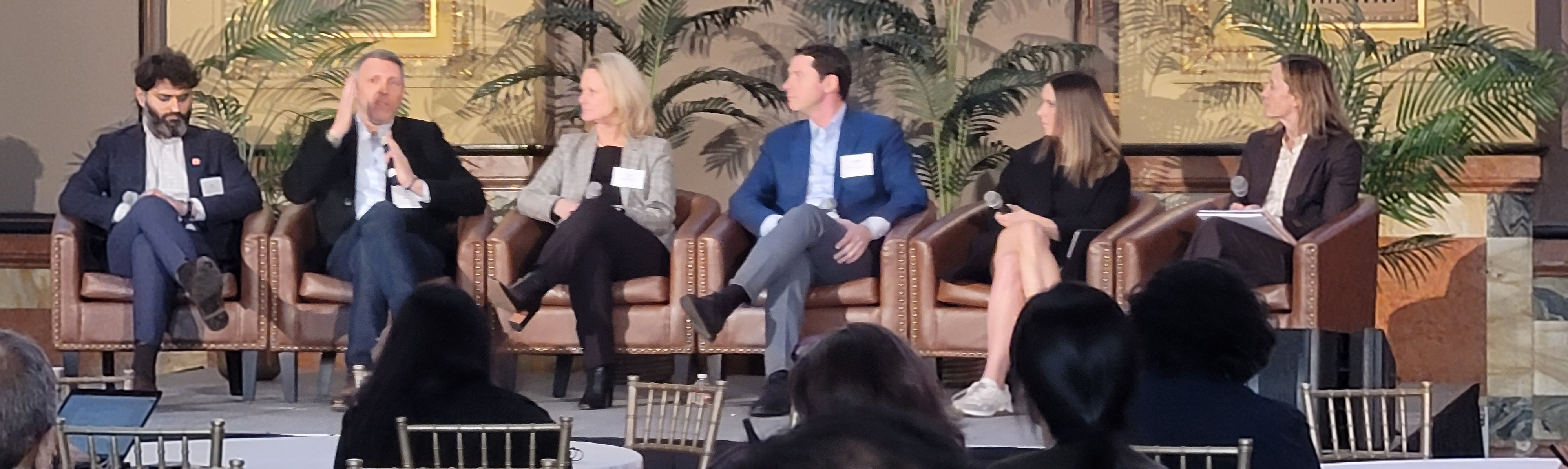
DLA Piper's Quantum4Biopharma
First in JPM Week was DLA Piper’s Quantum 4 Biopharma double-panel event, with representatives from Johnson and Johnson , Eli Lilly , Merck KgA , Morgan Stanley , QuEra , and NVision , followed by Qubit Pharma , UCLA/Aliro/DCVC, and other members of Eli Lilly company (see DLA Piper's Event Listing for more information). As a side note on things in quantum, DLA Piper advises Quantum Circuits, Inc. on its half-$billion acquisition by D-Wave . Just to summarize some rather biased notes that I took, the gist of the first panel identified that:
- •Pharma is ready to ditch a lot of AI hype and go back to more quantum modeling techniques and go forward into new quantum tech use if some better work is done (and that pharma is sick of AI overpromise and underdelivery);
- •Pharma wants open-sourced coding and applications in quantum-related software and middleware in order to derisk development and investment;
- •Quantum tech companies can supply some preliminary applications, but quantum chemistry is the leading candidate that everyone seems most interested in pursuing developmentally;
- •Where are all of the U.S. quantum consortia hiding?;
- •LLMs vastly underperform on even their deliverables and quantum is a lot better to use in general;
- •Full verticals were touted (QPU+network+sensor); there wasn’t much distinction if these also meant to cover the emerging language of “quantum data centers”;
- •QIR (quantum intermediate representation or something like that was vaguely identifiable);
- •Pharma wants the entire drug development process to use quantum approaches holistically (maybe for an overall advantage);
- •Pharma does not want to wait or need to wait for 1 million qubits -they want economical stepping stones before fault tolerance;
- •First principles thinking is better for quantum platforms, and pharma should know that.
The gist of the second panel was something along the lines of:
- • Qubit Pharma is still gung-ho on QAI, but that metallic protein binding is a big, big problem (DARPA also repeated that at the earlier 2025 Q2B conference in Santa Clara December 9-11);
- •Distributed sensing is better than single sensor, possessing more efficiency and more quantum advantage;
- •Distributed quantum sensing is better on quantum networks;
- •On-premises QPU installations are rather viable financially
- •Not just statics but now dynamics and perturbations are possible as well as solvating water, but we still need at least 1,000 qubits to do things (sooner), despite socioeconomics barriers;
- •Innovation of algorithms needs to be done, 7 years of applications space needed, device modalities may be better diversified before fault-tolerance like graph problems to all-to-all and gates;
- •And more conversations concerning investments (if you know, you know)…
Incidentally, I feel a tad compelled to mention that half (more like 47% if one is just thinking about metalloenzymes or just 41% restricted to catalytic sites) of all known human proteins and perhaps all proteins are metalloproteins, so maybe metallic biochemistry is a very big problem and an industrial hurdle. Multi-omics and bioinformatics are more important than ever for tackling this: good thing Iff Technologies is the leader in quantum bioinformatics!
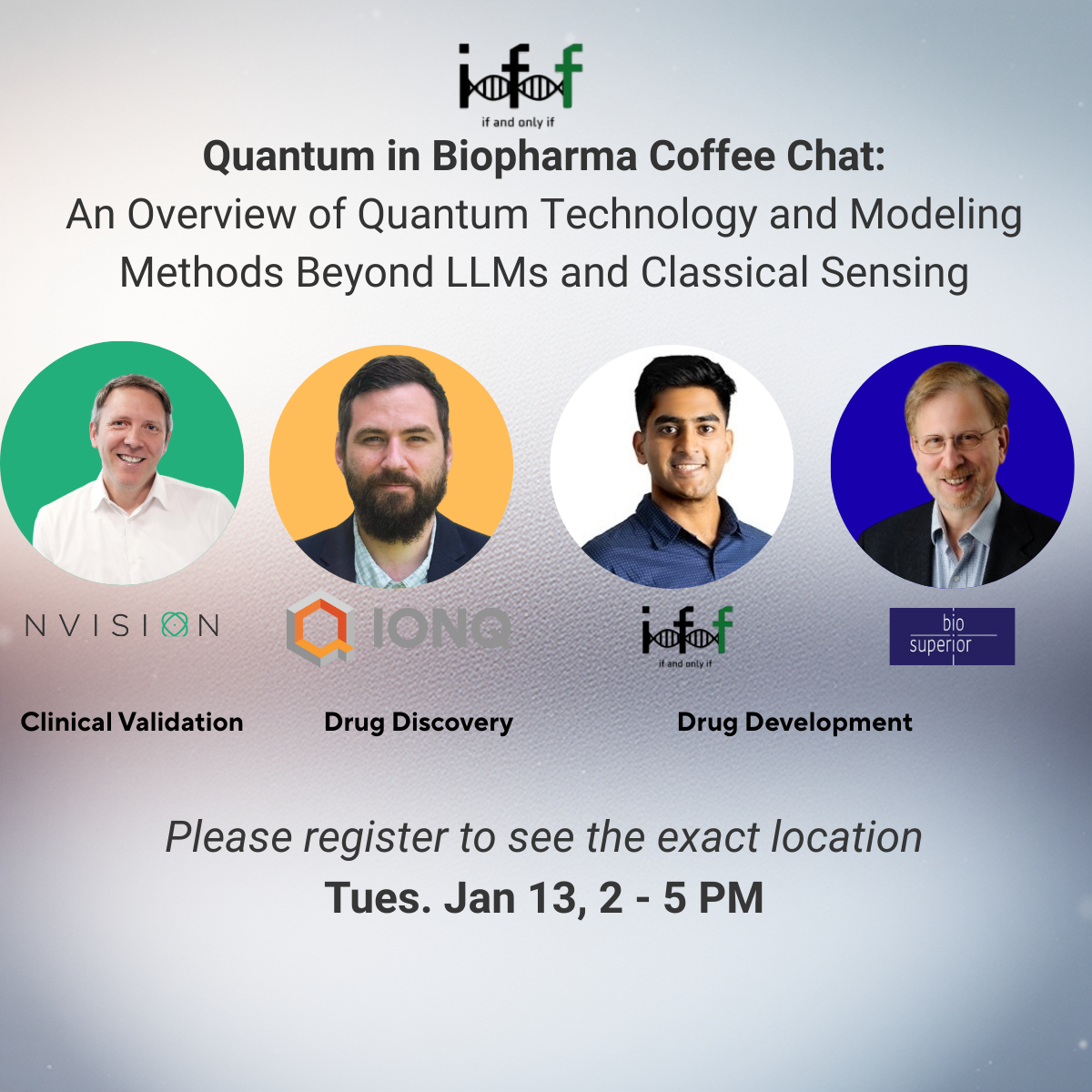
Iff's Quantum4Biopharma Coffee Chat
On Tuesday, Iff Technologies hosted its own Quantum4Biopharma event, where we reviewed over a full coffee bar (and polite barista’s support thanks to our site’s sponsors) a more unified theme in quantum technology applications for biopharmaceutical R&D work that we and our other invited presenters have been doing in much more detail than could be discussed on Monday's event.
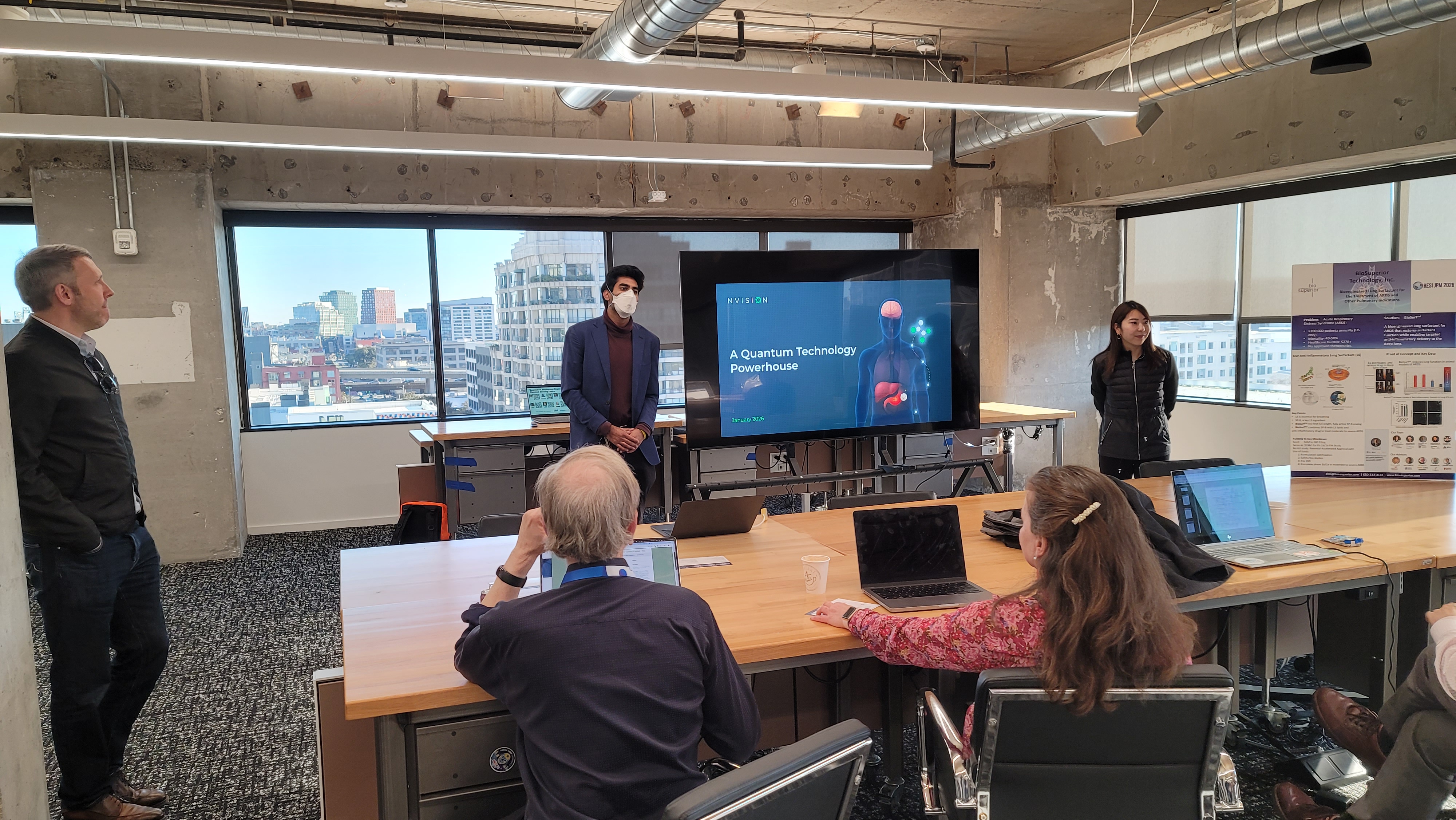
We brought over NVision to discuss all of its R&D workflow, projects, collaborations, and scientific developments, both on its quantum sensing and a bit of a hint of its information processing side of the house. Then we brought over IonQ to review a number of applications for quantum chemistry and other activities going on in the company for fluid flow and advanced structural modeling, as well as a brief review of IonQ’s progressive collection of quantum processing, networking,and sensing capacities. Penultimately, we had one of our biopharma collaborators, BioSuperior, discuss its advances in synthetic lung proteins being characterized and synthesized for clinical treatments in ARDS and COPD, while Iff followed up with our work on quantum chemistry, molecular modeling, protein binding, pruning, and some other proteomics despite our omissions on protein folding developments. We did mention that our increasing exploration of quantum sensing modalities to extract useful information from our clients’ analytes is expanding.
Thematically, we had intended to emphasize that our collection of quantum companies was meant to demonstrate that we are all pursuing vertical integration (i.e., integrated verticals) by attempting to identify use cases in biopharma for utilization of QPUs, networks, and sensors, and that we need and are working on this integration for real pharma clients today.
Also, earlier that same Tuesday the 13th, while I was reviewing with one of the company interns on what should go into a report on the implementations of quantum algorithms for Phase 4 post-marketing clinical trials down in the courtyard of 1 Embarcadero in between the NixonPeabody lifescience breakfast and the Pamir Ventures deepdive, I accidentally gave an hour-long ad hoc seminar for over five of other JPM Weekers who were also in between those two events, too; I think that someone was taking notes. My bad; lecture notes are pending! Here is one of the NixonPeabody burritos in the meantime.
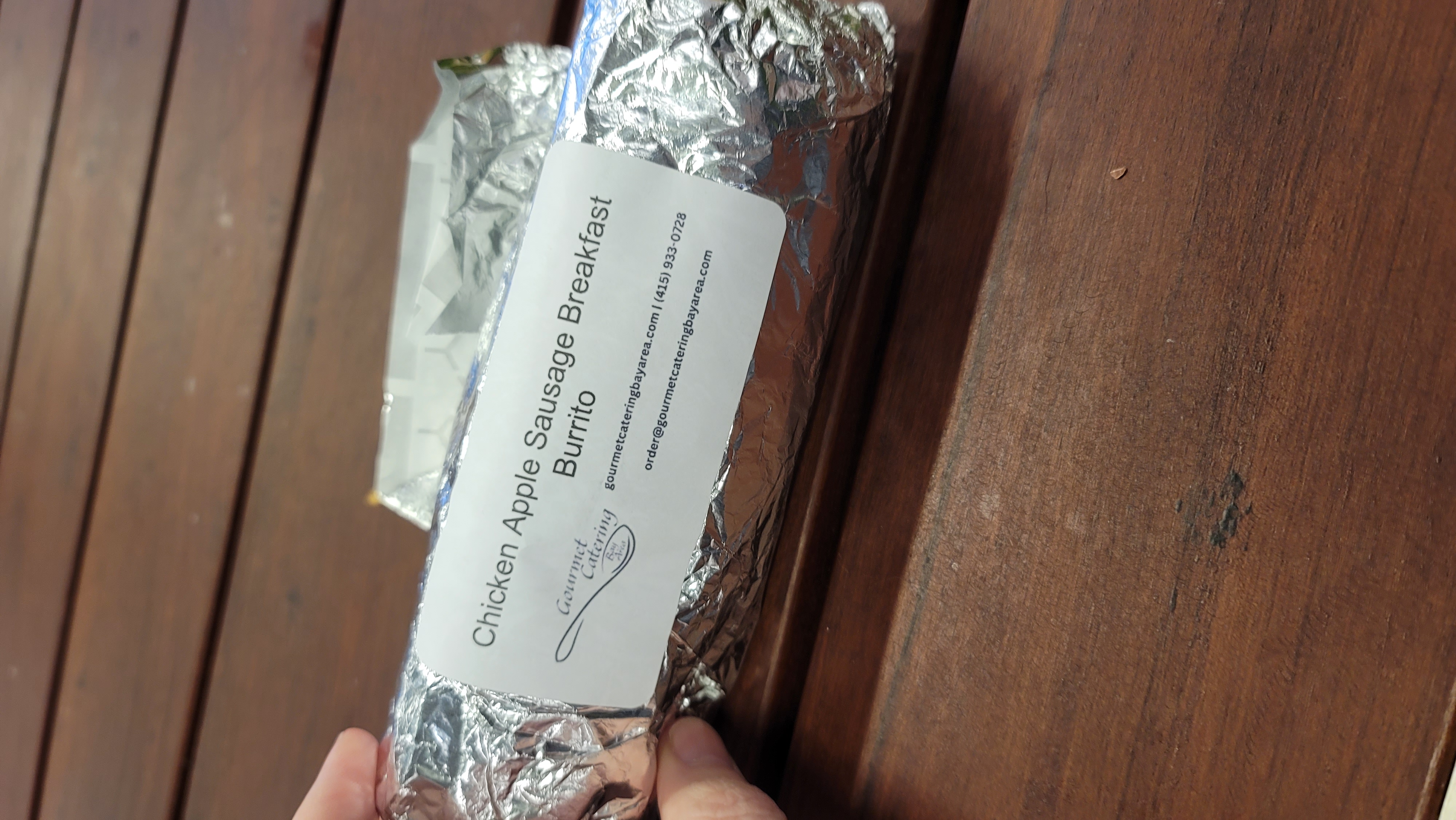
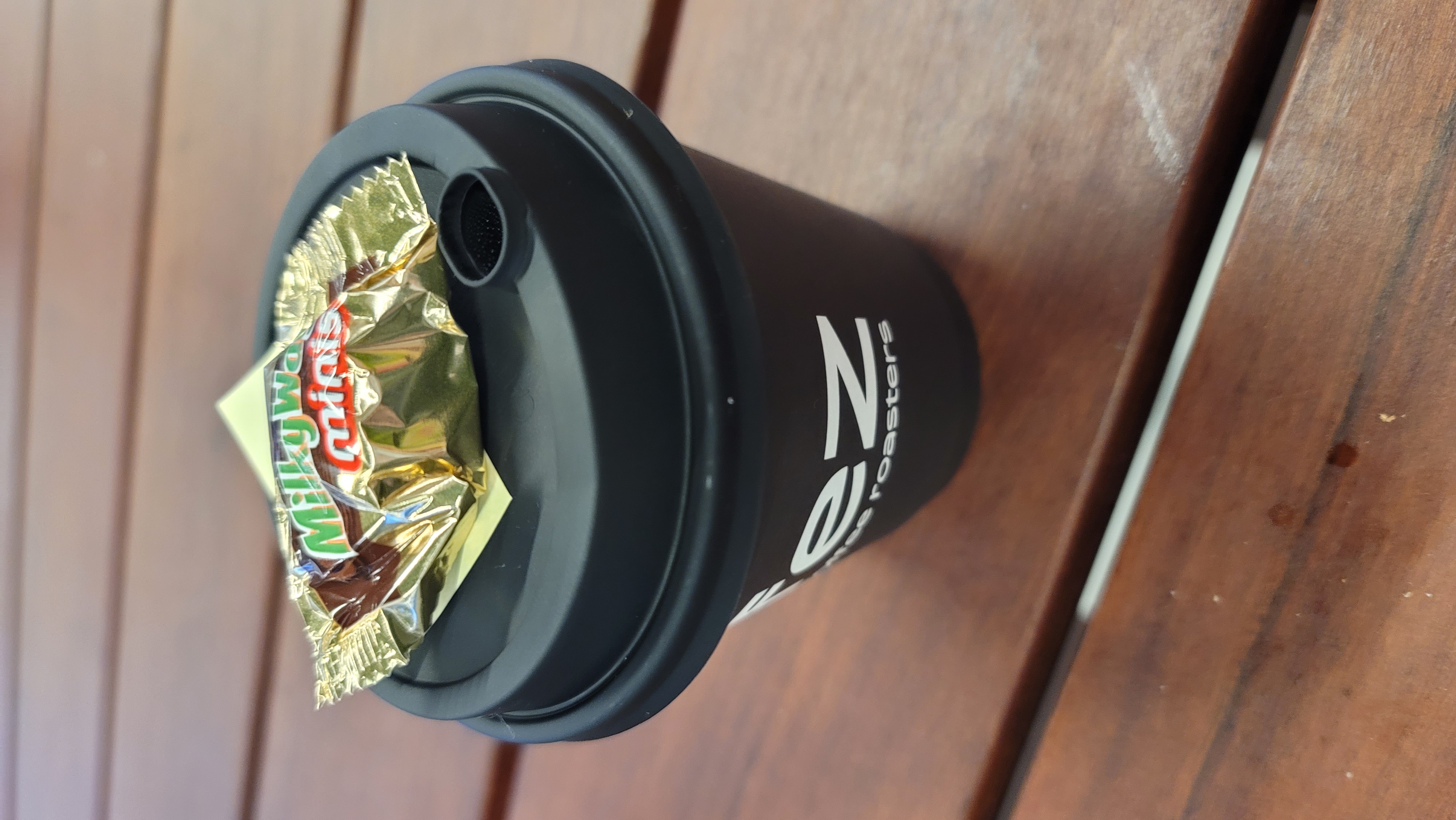
NP also has a good barista-staffed coffee bar every year, too; I am also easy to bribe with chocolate, fyi, kind of like Warren Buffet.
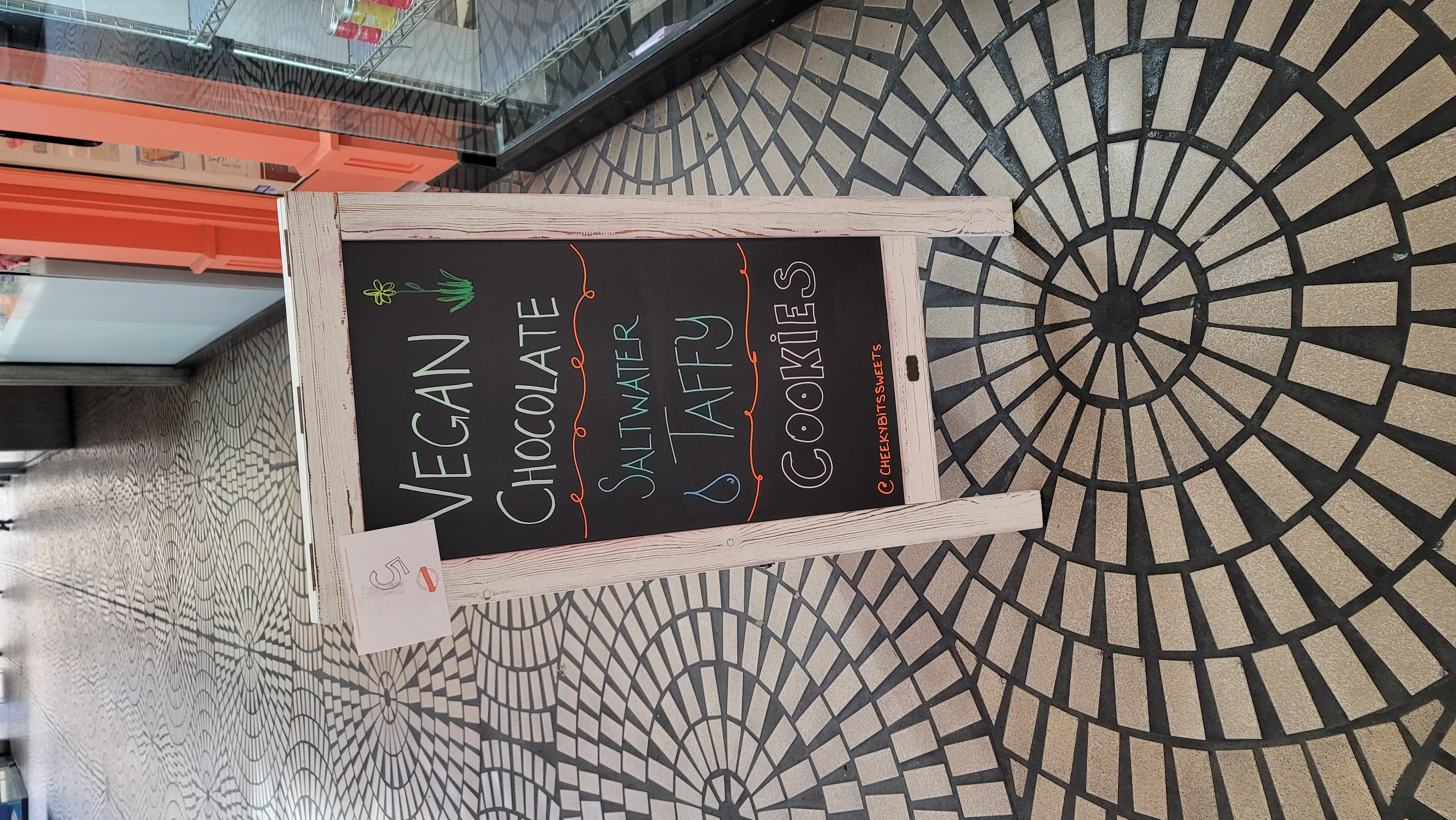
Sorry, Warren; I passed up the See’s in search of these.
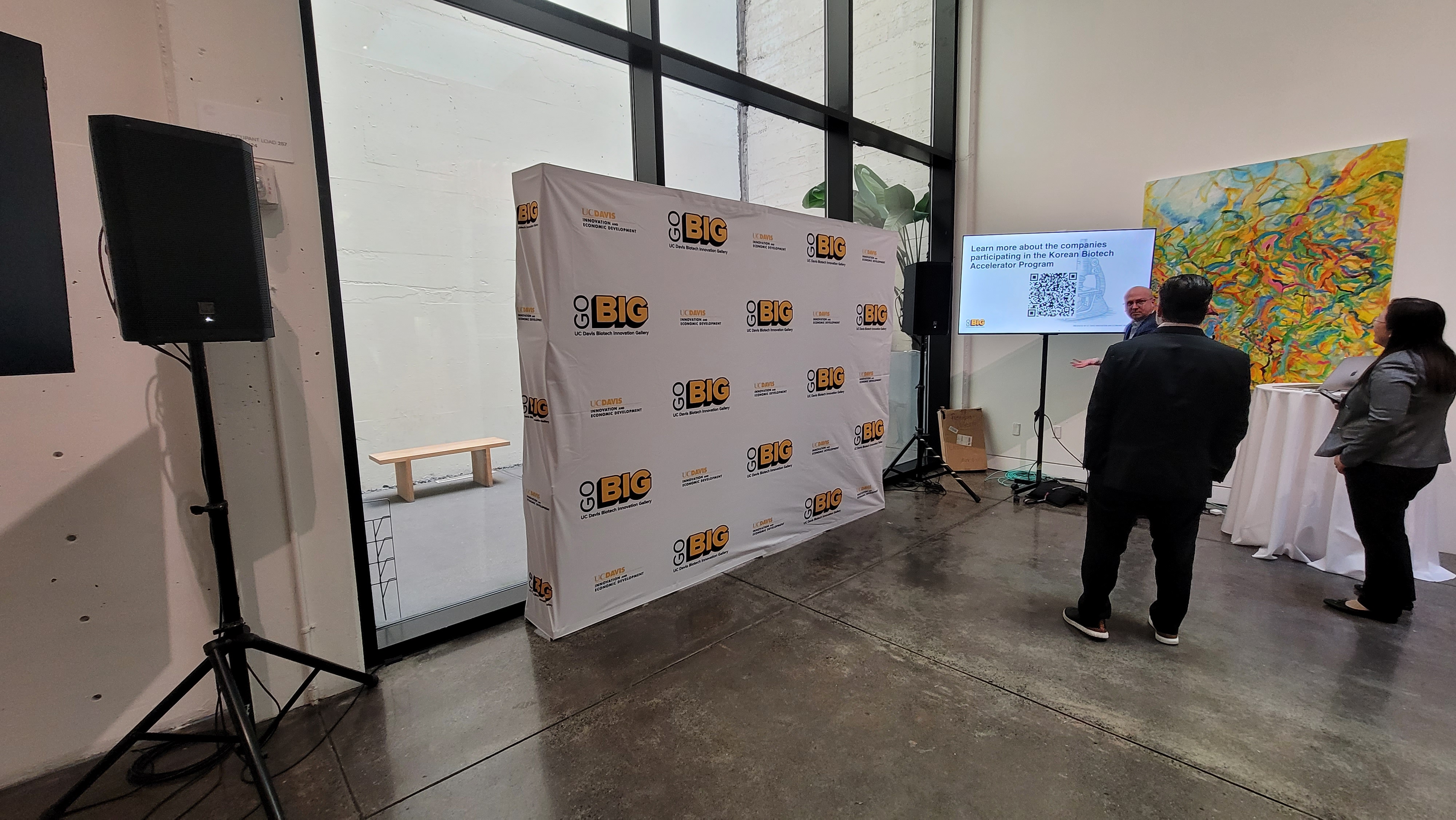
UC Davis Biotechnology Innovation Gallery (BIG) On Wednesday the 14th, University of California, Davis’s annual Biotechnology Innovation Gallery (BIG) event in conjunction with JMP Week hosted quite the collection of biomedical, biopharma, and biochem startups and spinoffs with its doubled-attendance count for this year. It was quite the packed day-long 9am-6pm event with a decent cross-section of alumni investors to boot. Iff Technologies had brought BioSuperior to UCD’s BIG for some further quantum x biopharma outreach and explication, so, for several hours between 2-4pm, Iff discussed de facto and in opportunistic ad hoc conversations at several reserved tables the myriad benefits of quantum technology applications for biopharma.
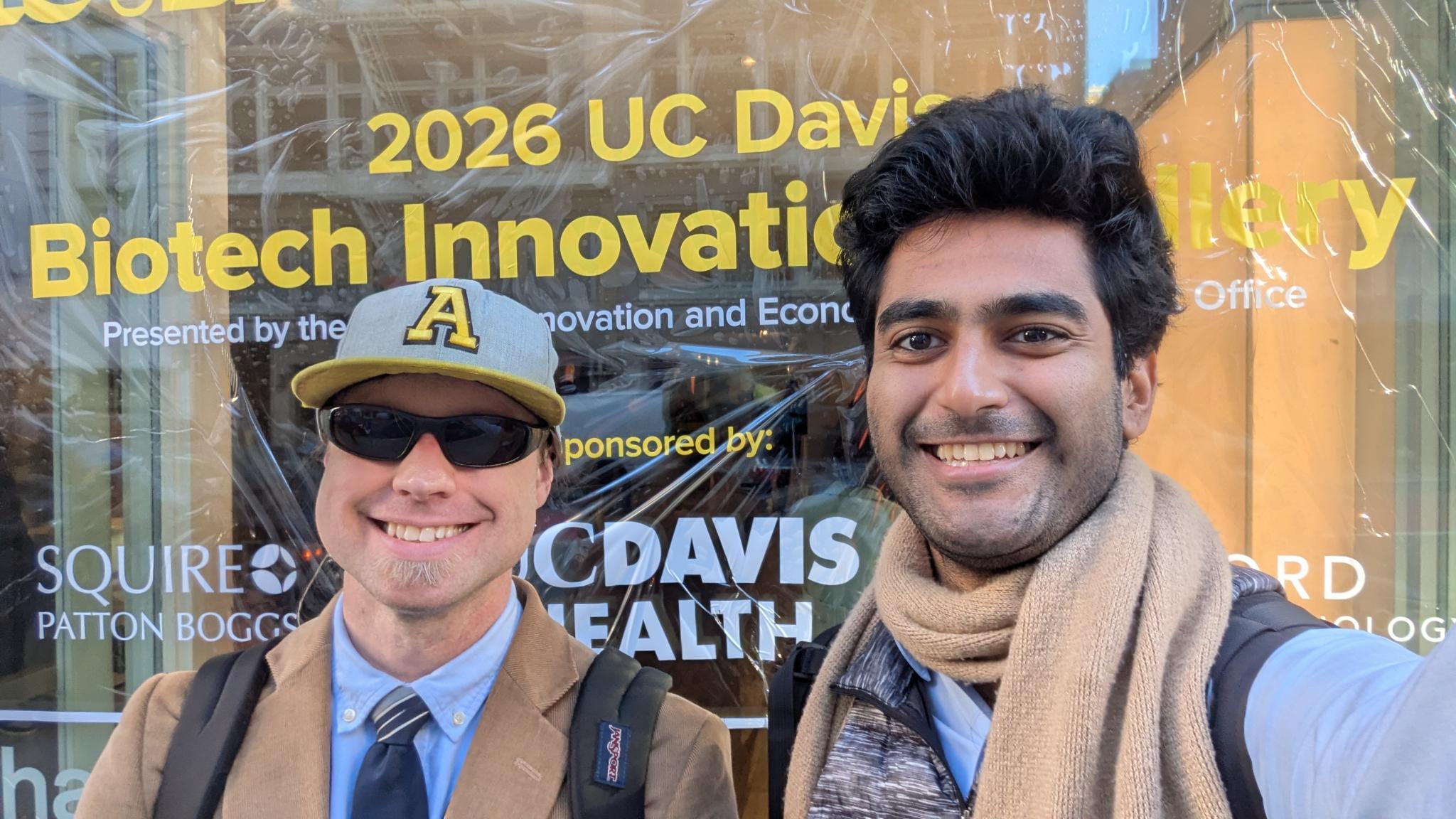
BIG also constantly has coffee and waffles all day until the evening UCD-sourced wine-tasting, fyi.
LLNL Roundup
The third off-site external event to JPM but co-occurring across the Bay was LLNL’s wrangling of several quantum hardware companies to discuss and debate merits of quantum computing developments (including IonQ, Quantinuum, and Xanadu among others). Not my rodeo but details pending.
Thus, the largest highlight of JPM 2026 in quantum for biopharma was the increasing demand for integrated verticals of quantum technology. Good thing that Iff Technologies has been pushing that integrated vertical and quantum datacenter R&D agenda for the last three years now! You’re welcome!
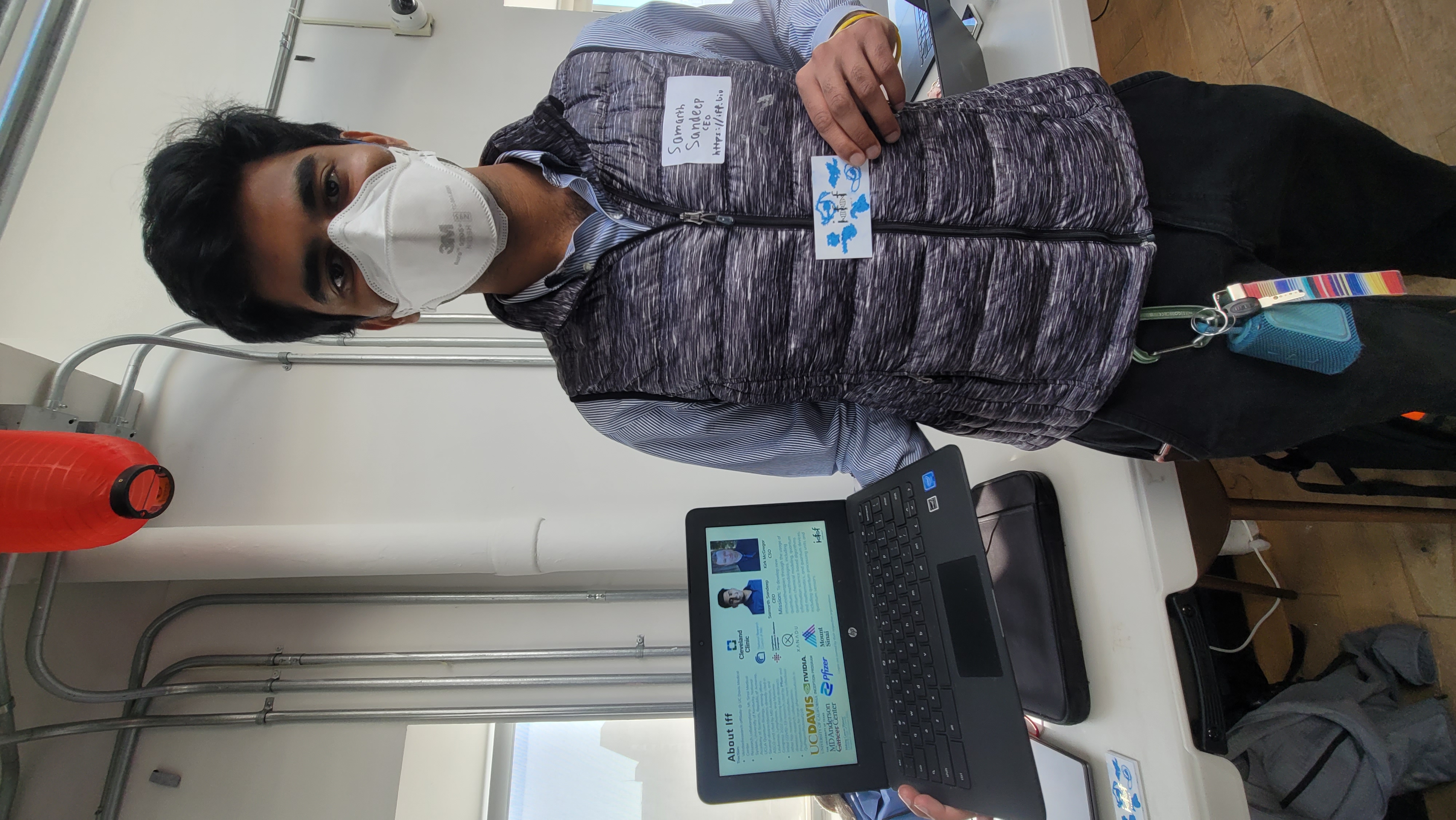
Elsewise, here is Samarth reviewing quantum for biopharma for an investor association lunch; half of the investors were mainly into medical devices, but the other half were very big on proteins and biologicals (our specialty).
We also reviewed quantum for biopharma subject matter at another investor lunch held by SimpsonThatcher, too. I had to sit outside while I was on some other meeting calls, but someone had to do it and keep the quantum industry on track in the U.S..
I sympathize with this little soldier that I found at an investor coffee meetup. Keep up the good fight!
As a small side note, there was also a QED-C Use Cases medical data security workshop out in AZ that Monday, too, so a rather distant, but related, event on the healthcare technology side of things; a report on that should come out soon for us Consortium members shortly.
In a following blog post (time pending), I hope to recap some of the highlights gleaned from Photonics West + Quantum West 2026 and the simultaneous Cisco Quantum Data Center Summit that all collided in SF and SJ this week, but, as a preview of a hint, one of the themes was about integrated verticals in quantum datacenters. Go figure !